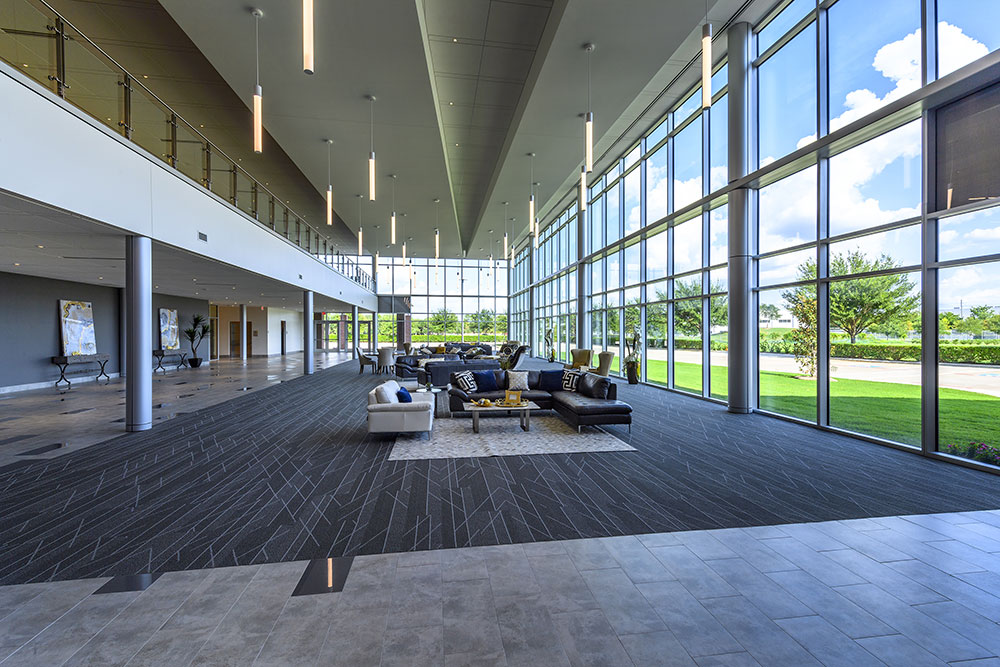
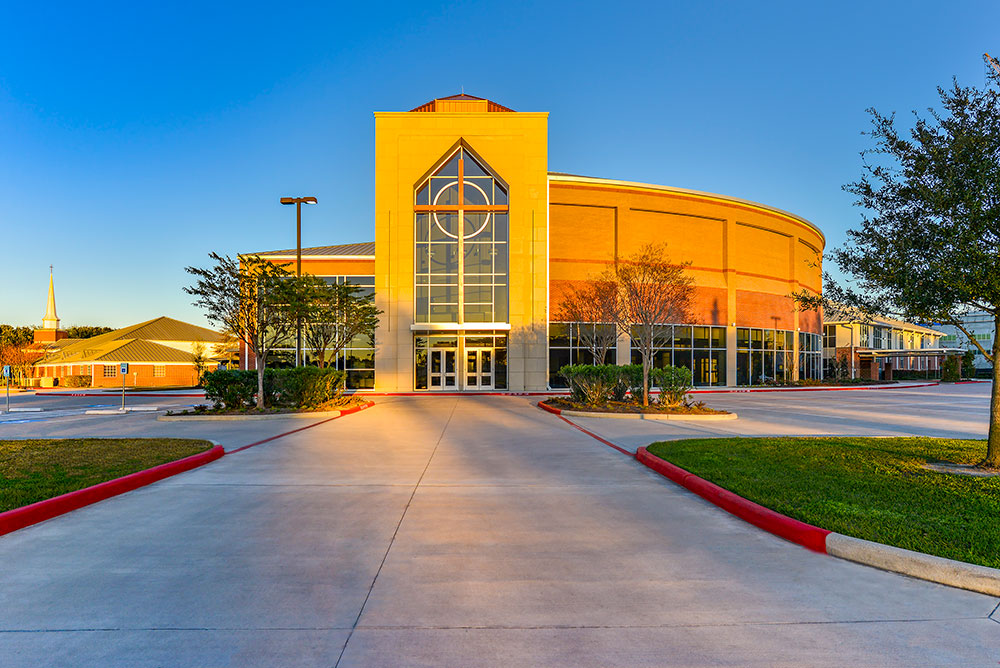
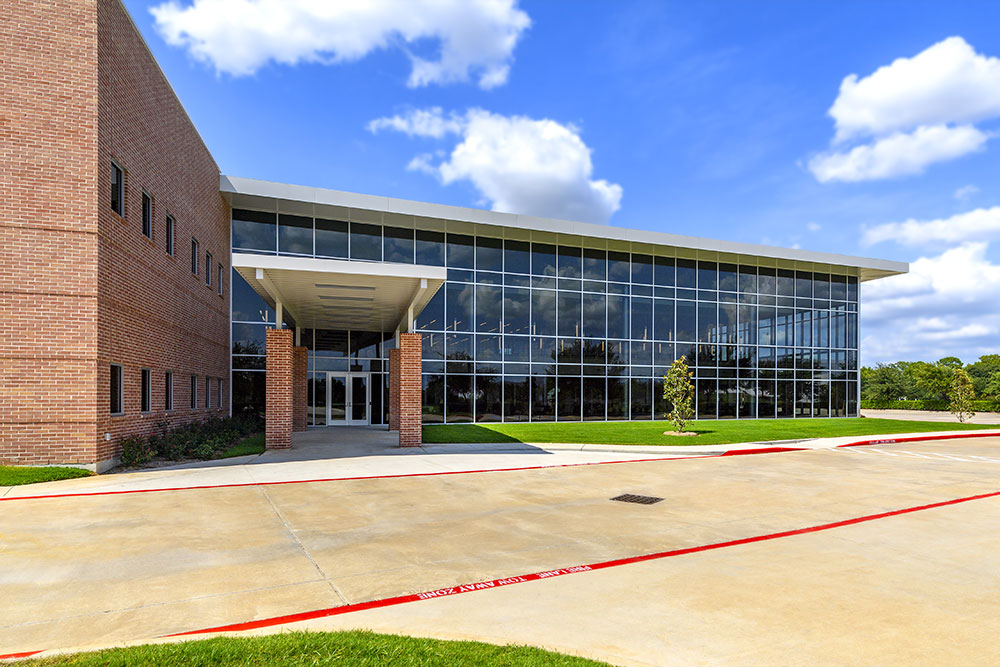
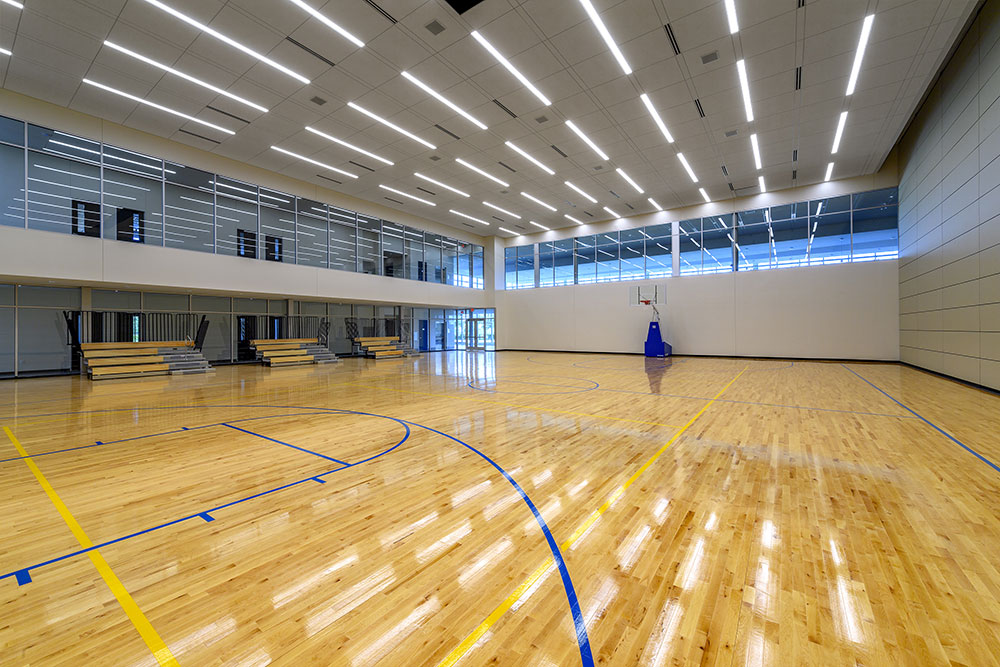
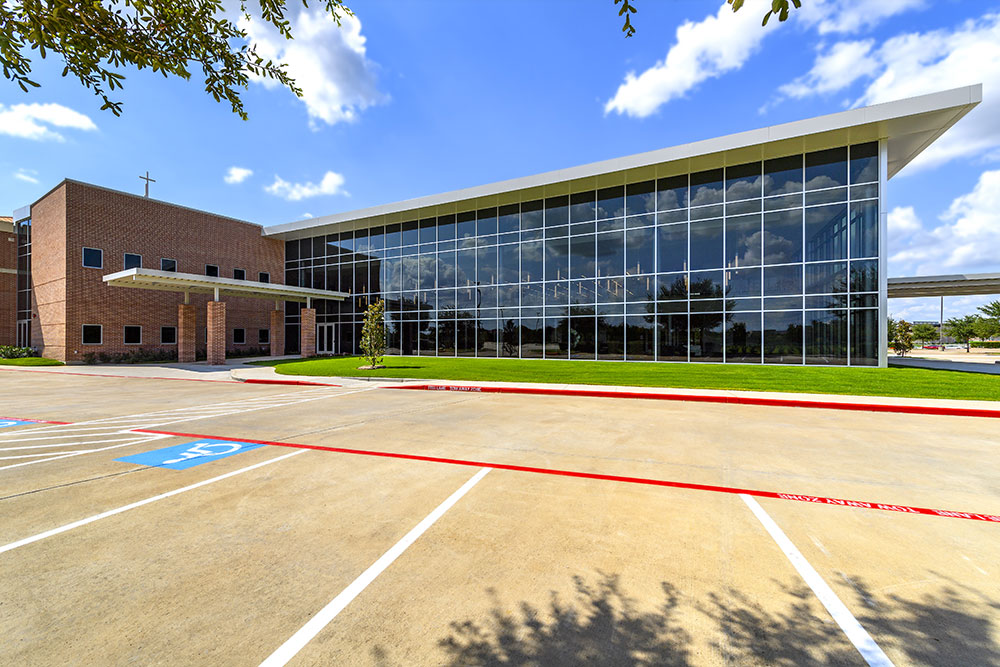
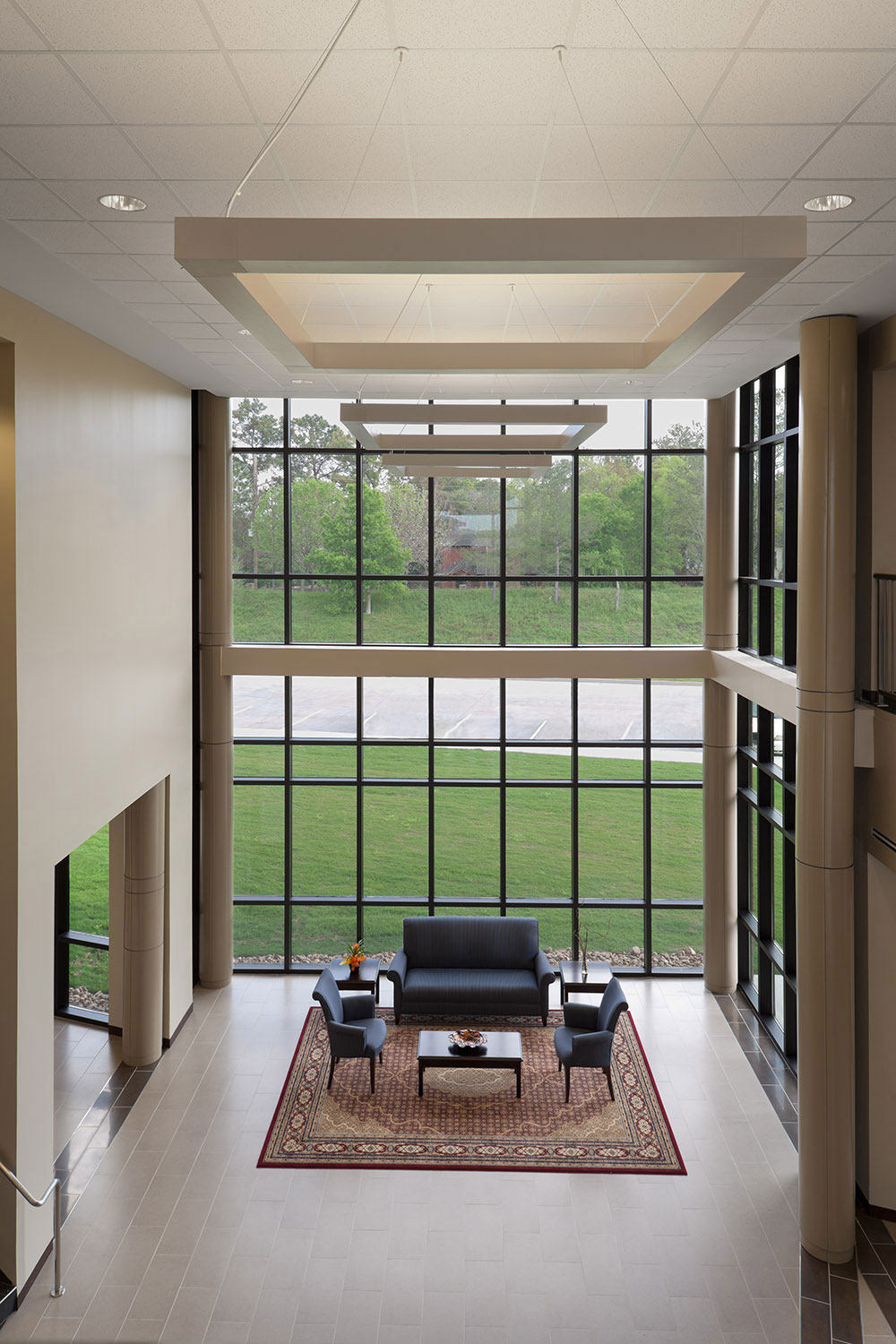
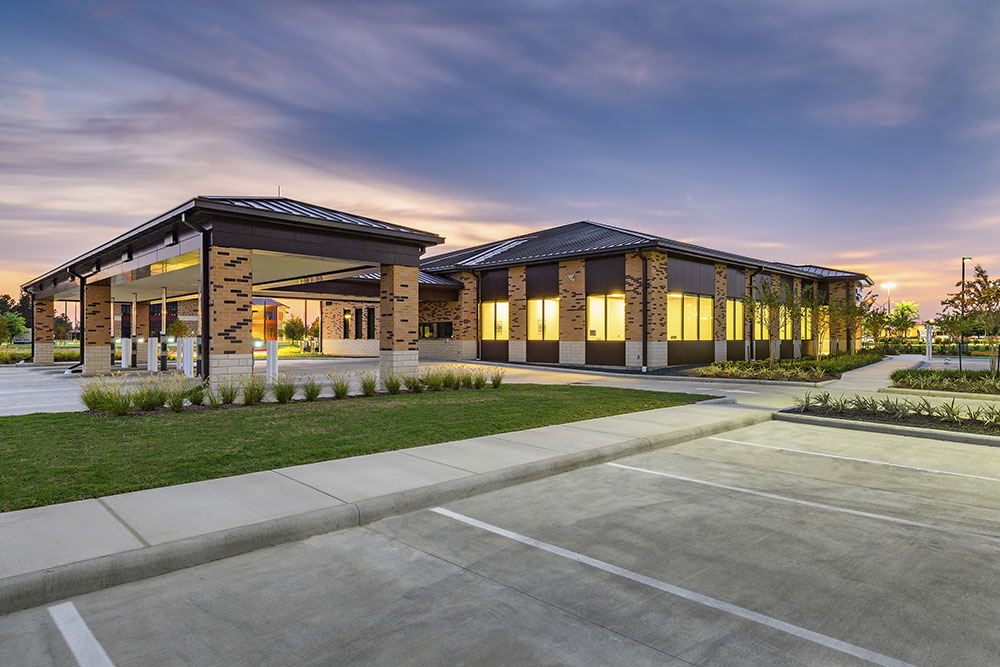
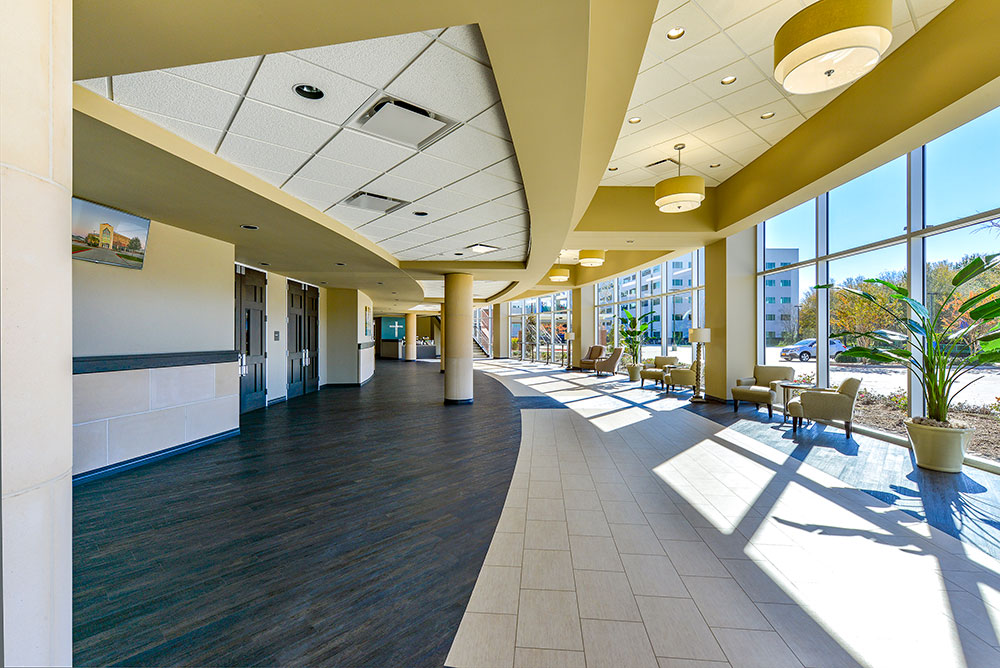
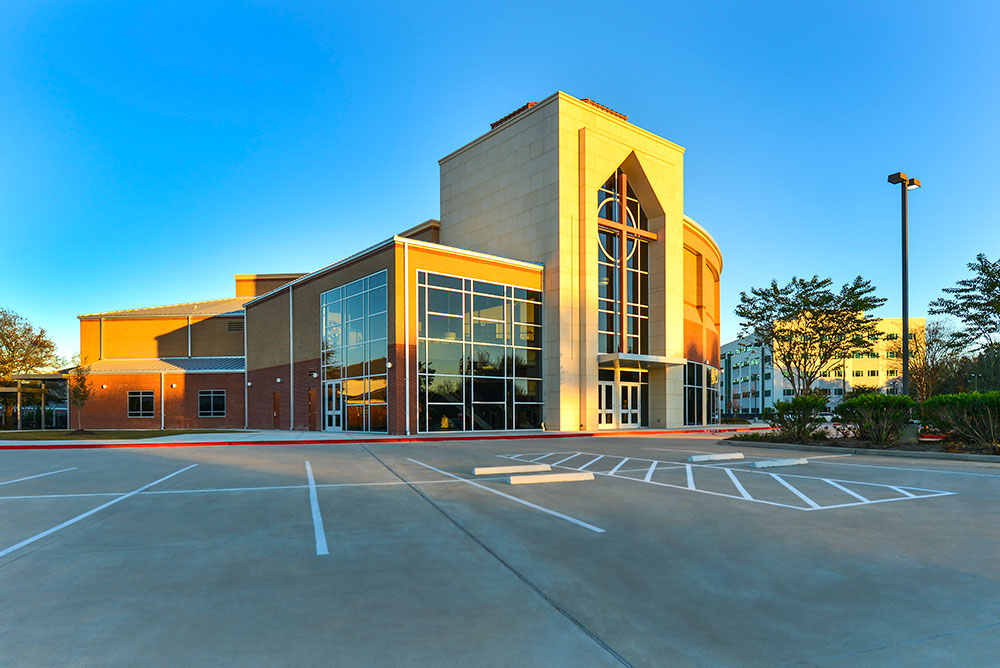
The next stage in the multi-phase development of the campus for this rapidly expanding Christian congregation southwest of Houston is a family-centric fellowship building. A large gathering lobby provides access to the new multi-purpose halls and accommodates recreational as well as educational and fellowship functions; two basketball courts and a complete commercial kitchen are included. The two-story glass-enclosed lobby is designed in a modern architectural vernacular compatible with the context of the existing facilities.
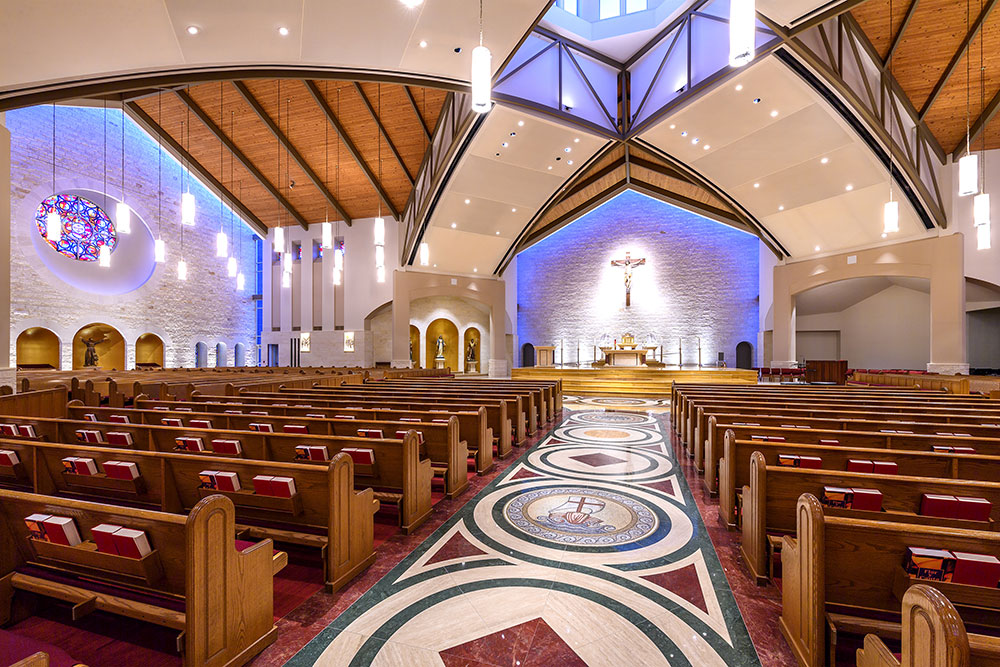
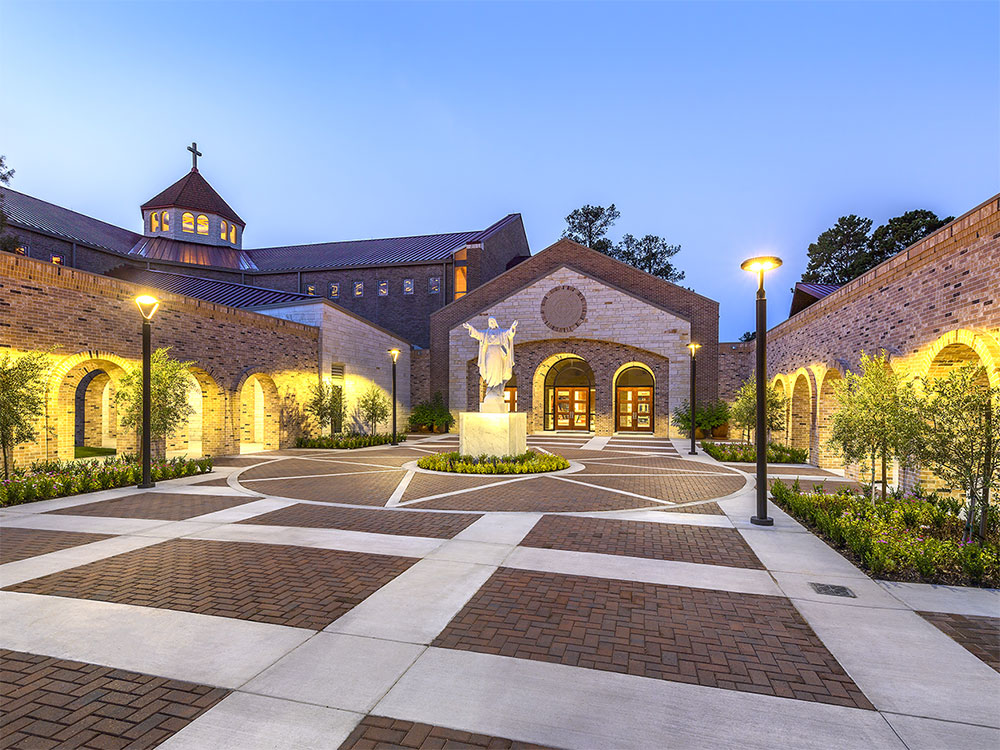
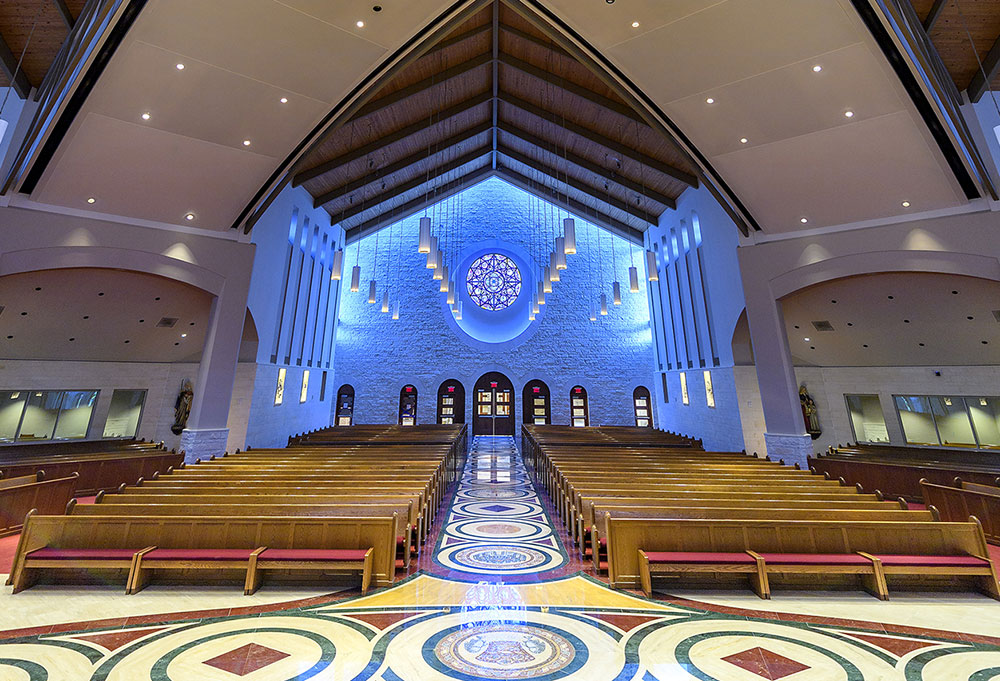
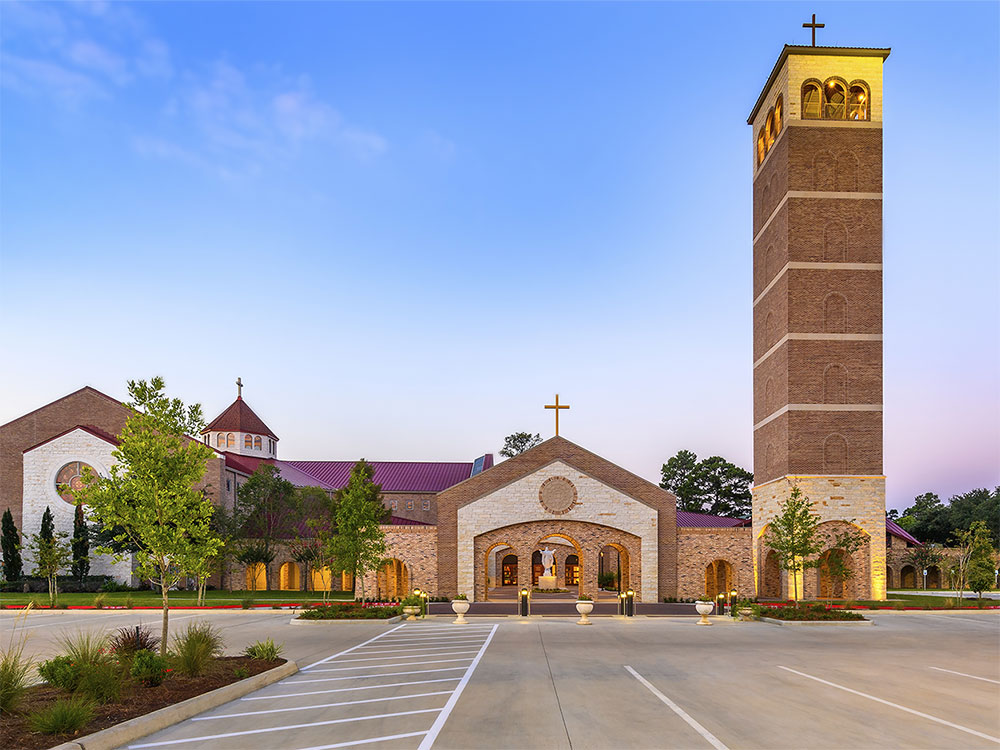
Nestled in West Houston’s Memorial neighborhood, St. John Vianney Catholic Church commissioned LDDBlueline™ to oversee design and construction for significant additions and enhancements to the church campus to meet their expanding congregation needs. In the end, the renovation and expansion included extensive interior changes to the main worship space and the adjacent chapel, and an exterior entrance plaza and loggia with a connecting “landmark” bell tower. The 130-foot bell tower can be seen from nearby major thoroughfares, and from the high-rise office structures in the nearby Energy Corridor. The brick blend found in the bell tower was created specifically to merge the aesthetics of the campus additions with the existing structures, integrating the new and old cohesively.
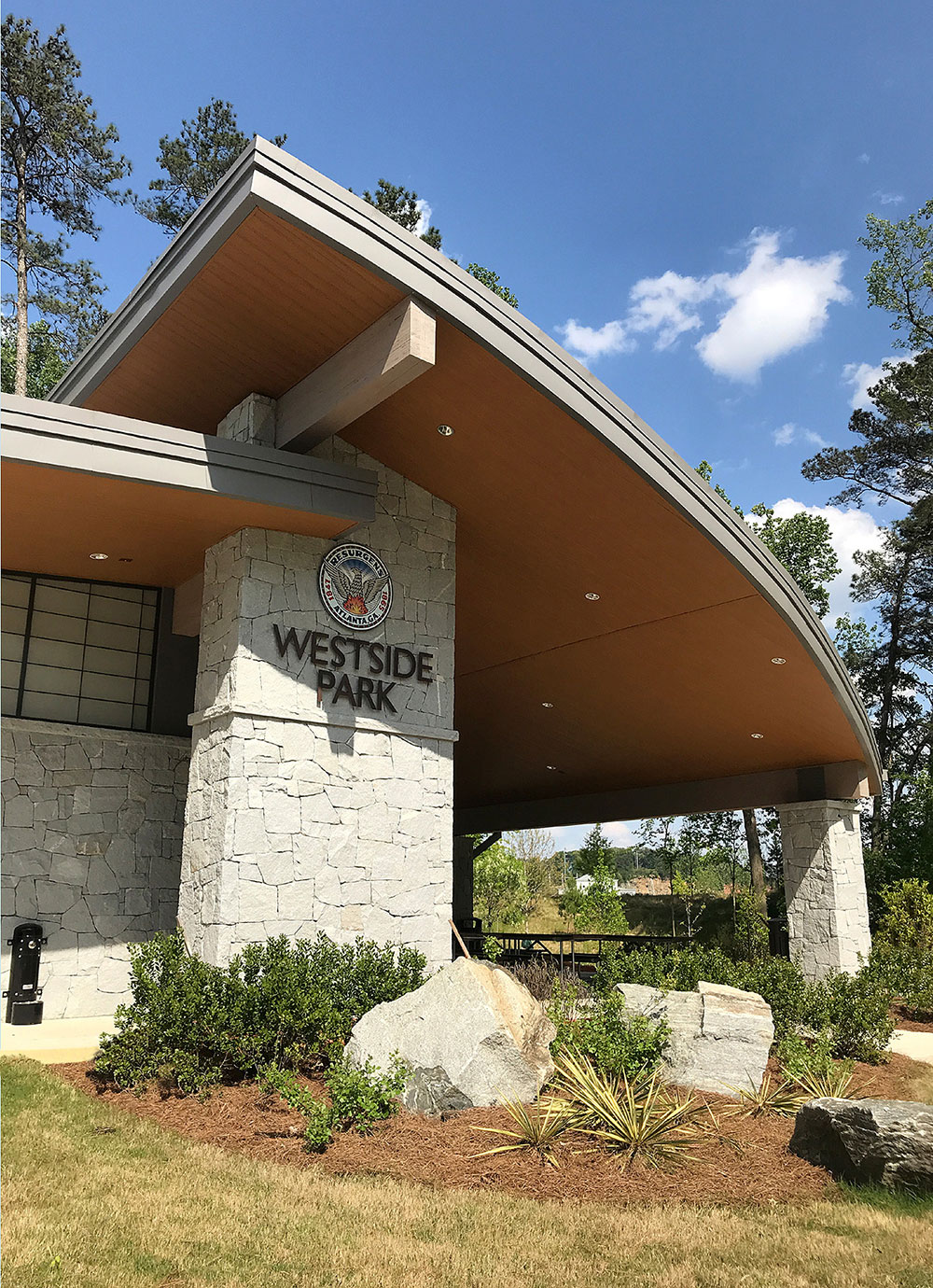
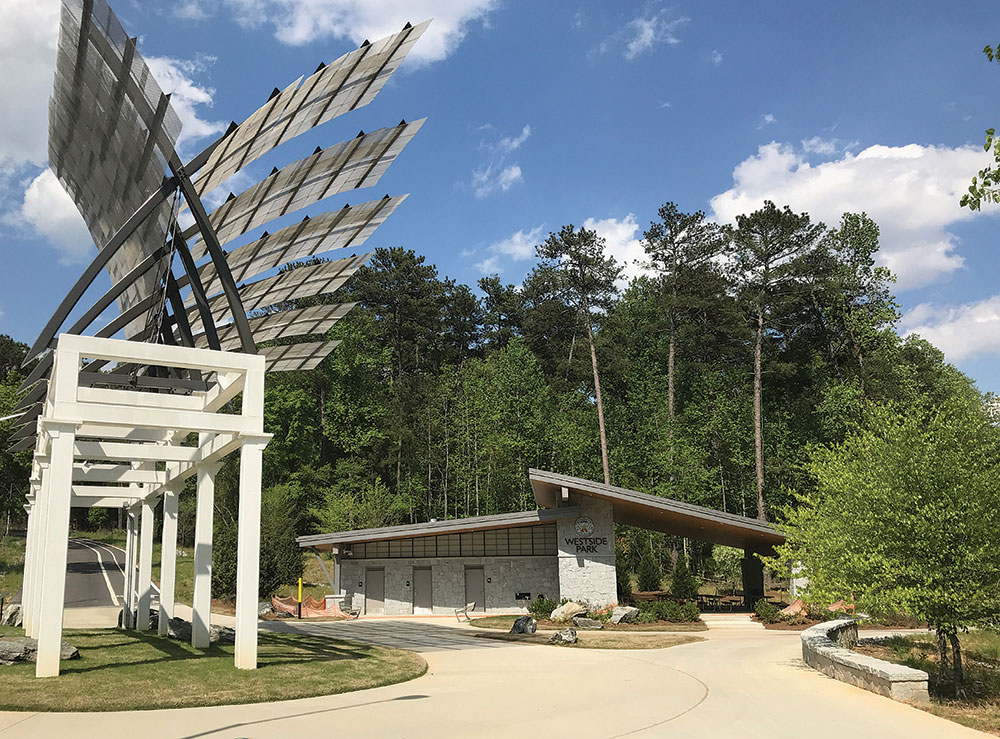
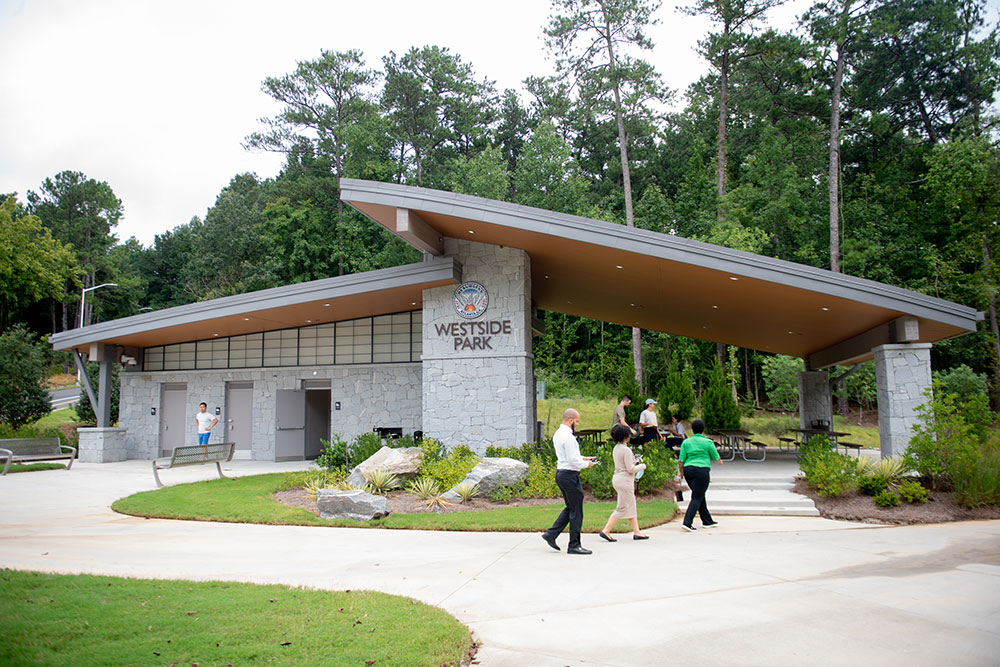
LDDBlueline™ was selected to join the Reeves+Young design/build team for the project once the master planning process determined what structures would be in Phase 1 of Westside Park. Each support structure’s design reflects its specific placement within the park, particularly the Roundabout Restroom/pavilion that overlooks the relocated Birth of Atlanta sculpture from the 1996 Olympics. The primary building materials, granite and natural wood, have been used throughout most City parks and are incorporated with other sustainable materials for durability.
Location
Atlanta, GA
Square Footage
3,500 SF – Three Restroom Buildings
1,330 SF – Pavilion
Owner
City of Atlanta through Reeves+Young Construction (design-build)
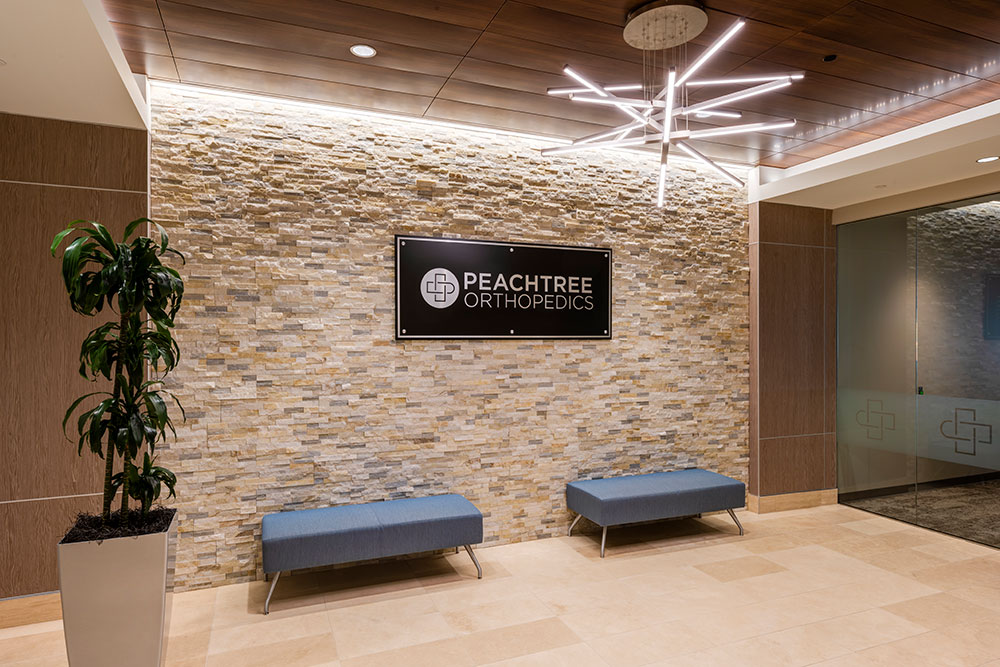
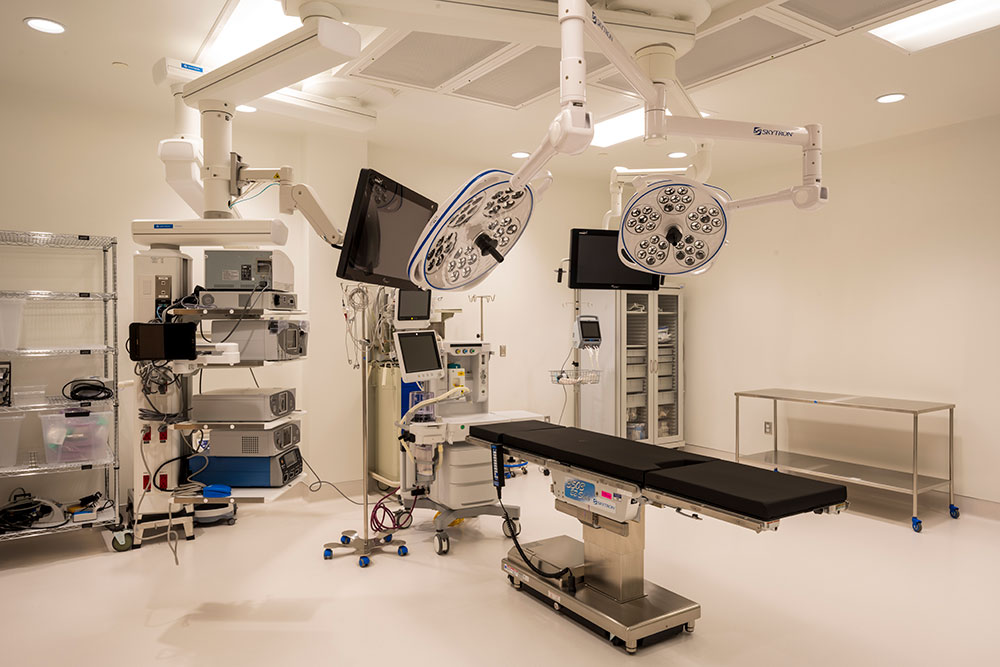
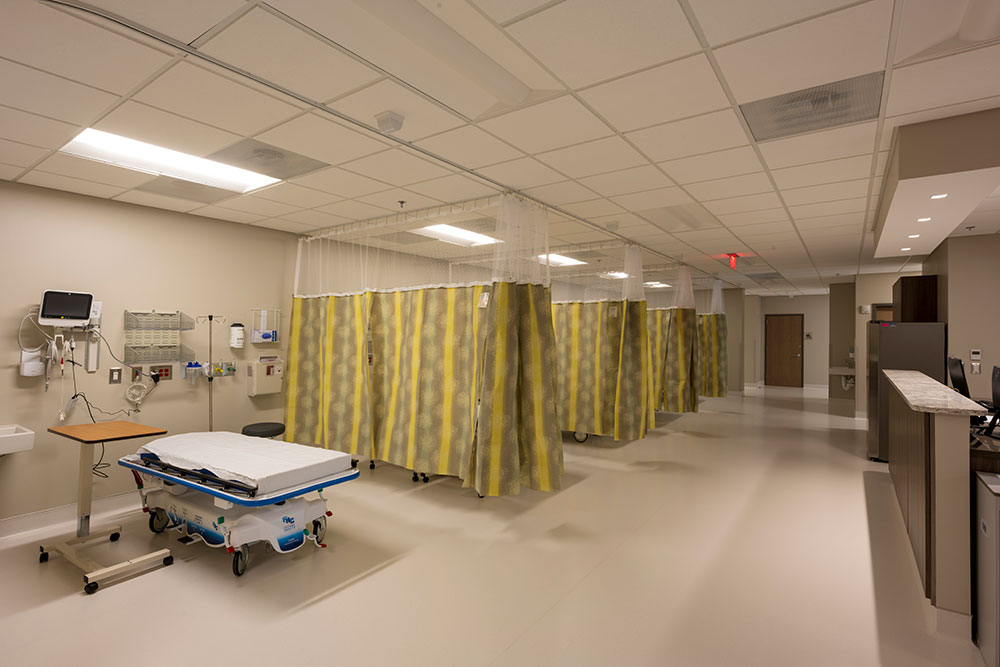
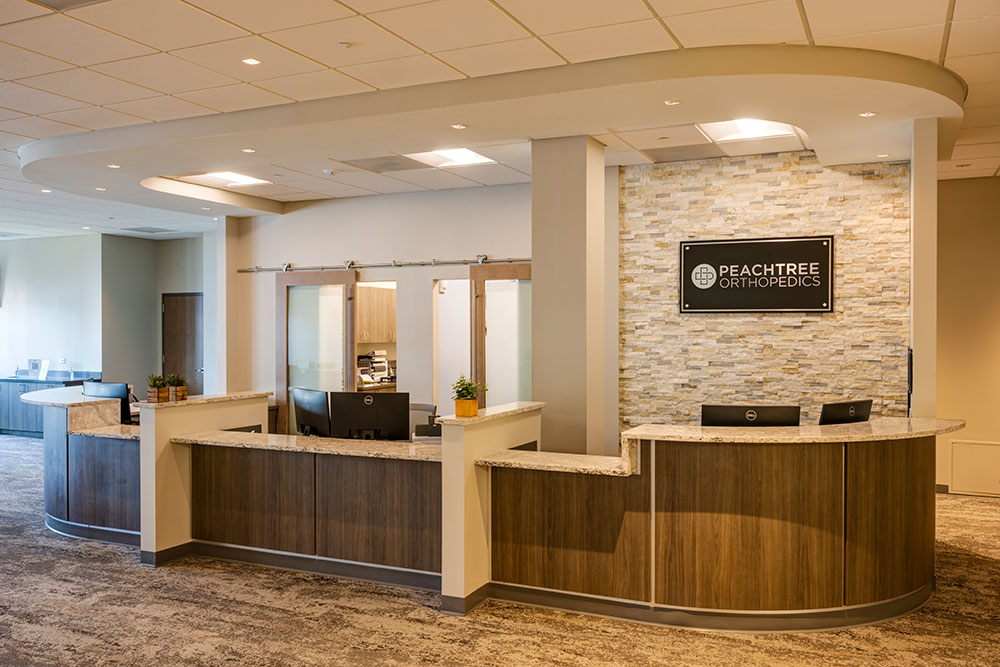
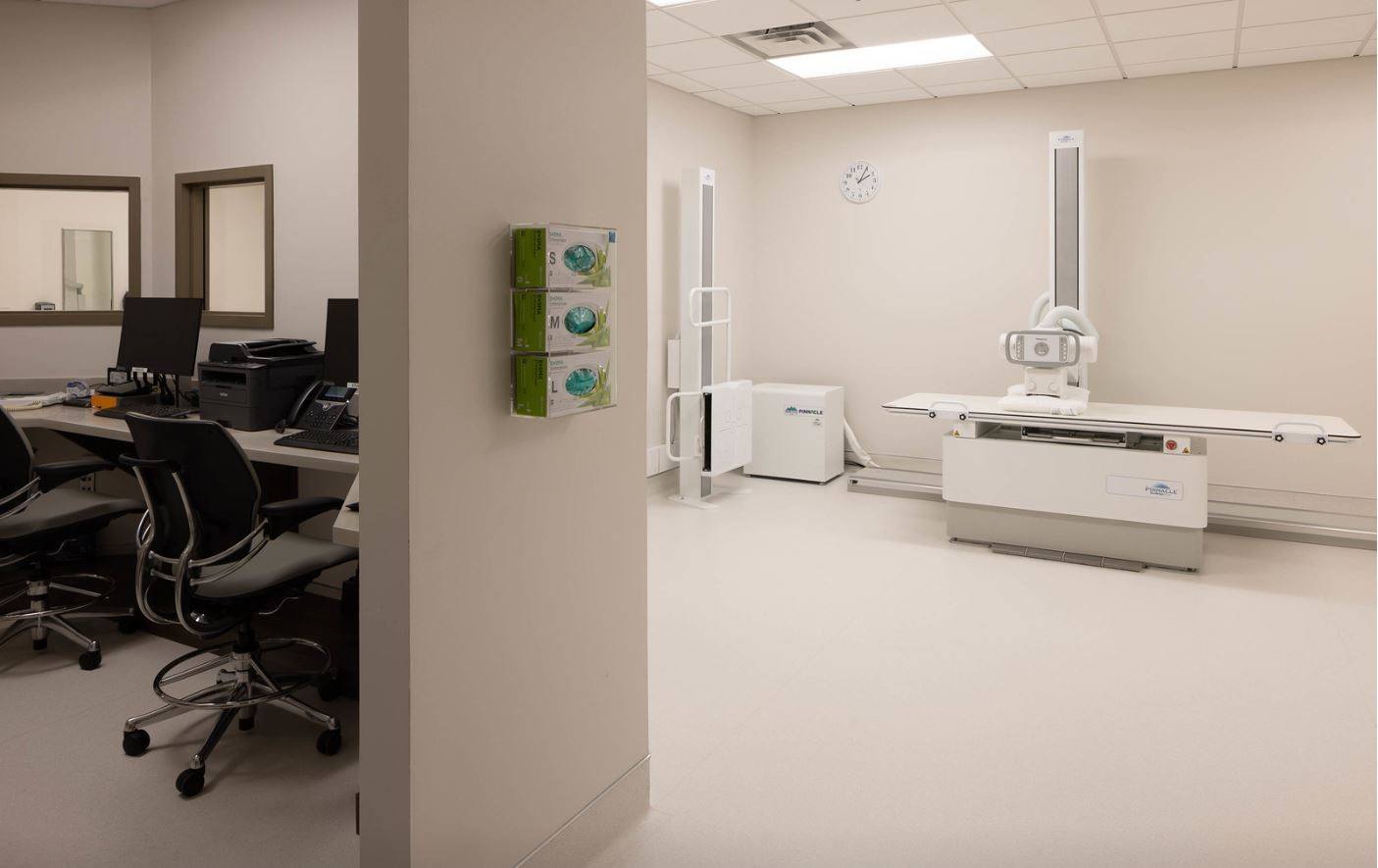
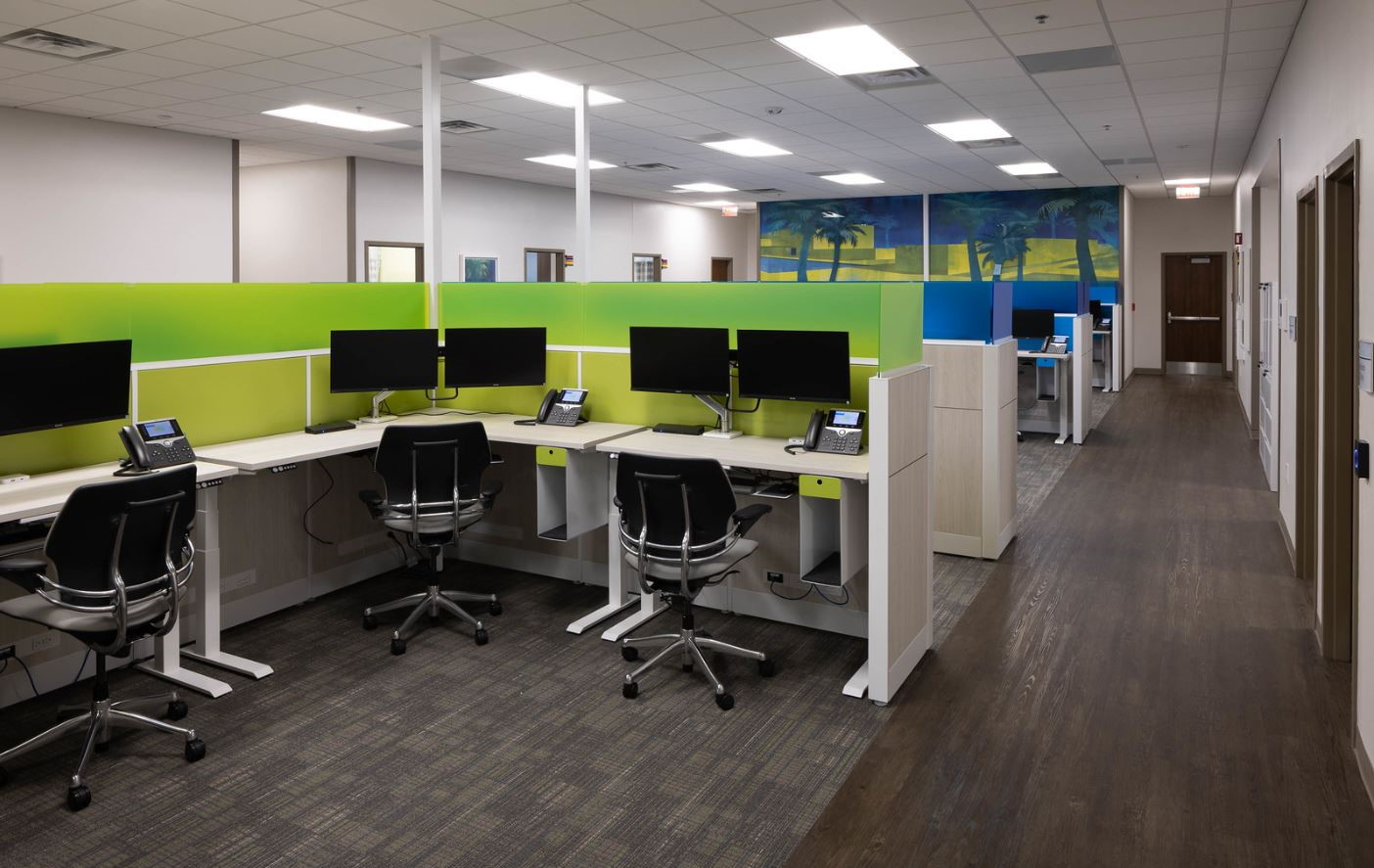
Designing a cohesive layout for the clinic space, therapy space and administrative space on the 3rd floor was a balancing act. LDDBlueline™ was also faced with the challenge of determining the doctors’ workflow and required adjacencies while keeping patient flow a priority. The floor plan achieved the goal of keeping the doctors’ pods in close proximity to the X-ray units and other centrally located patient services. The Ambulatory Surgery Center design encompassed the need for pre-procedure patients, post-procedure patients and the elements of the sterile corridor to all work together. Special consideration and coordination were also given to the above ceiling requirements for the equipment layouts and other infrastructure.
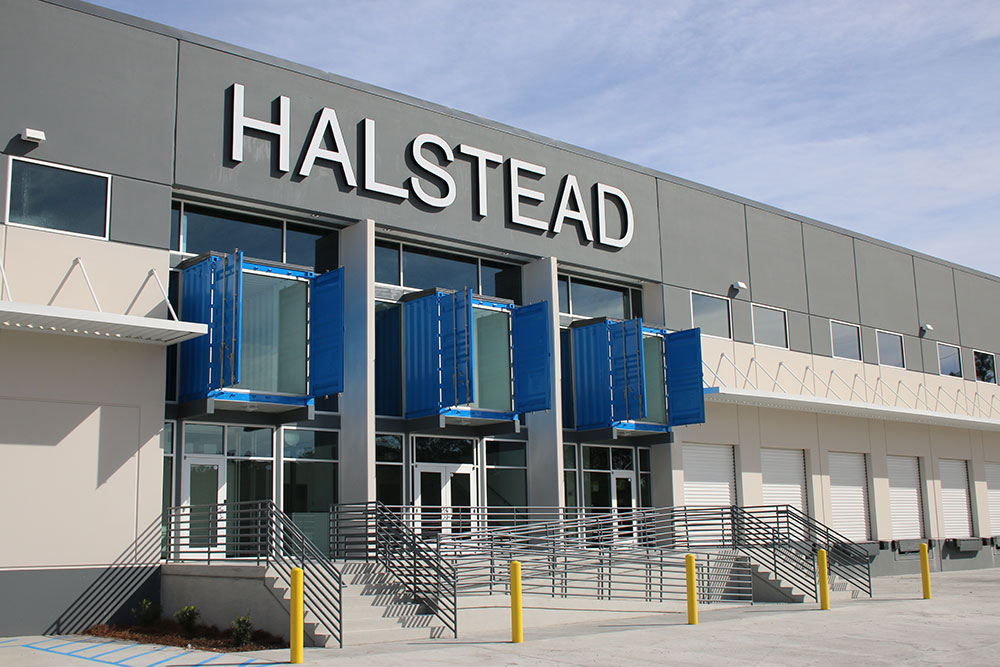
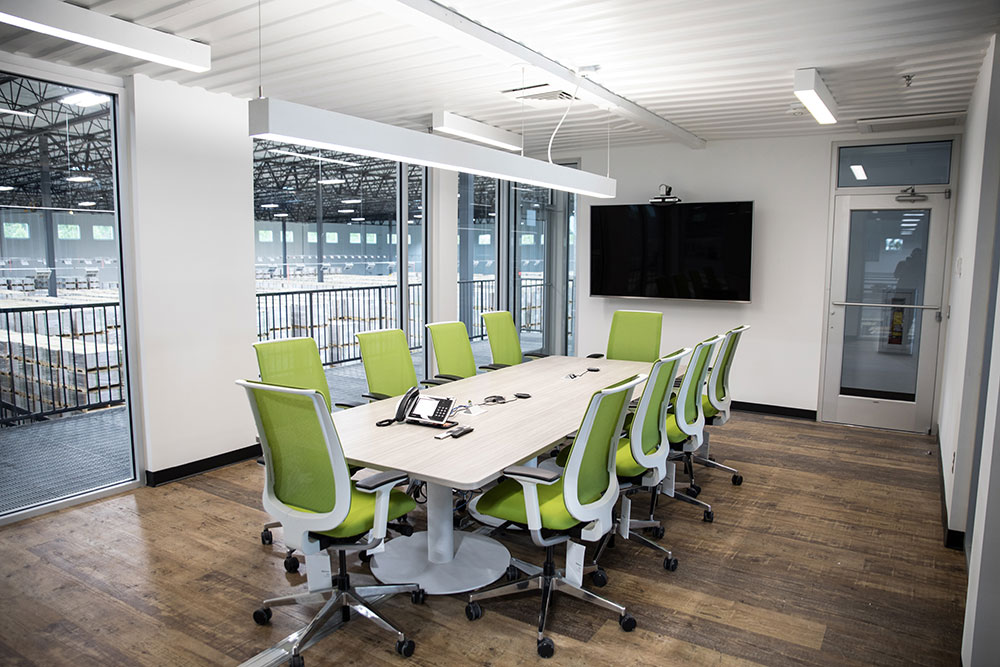
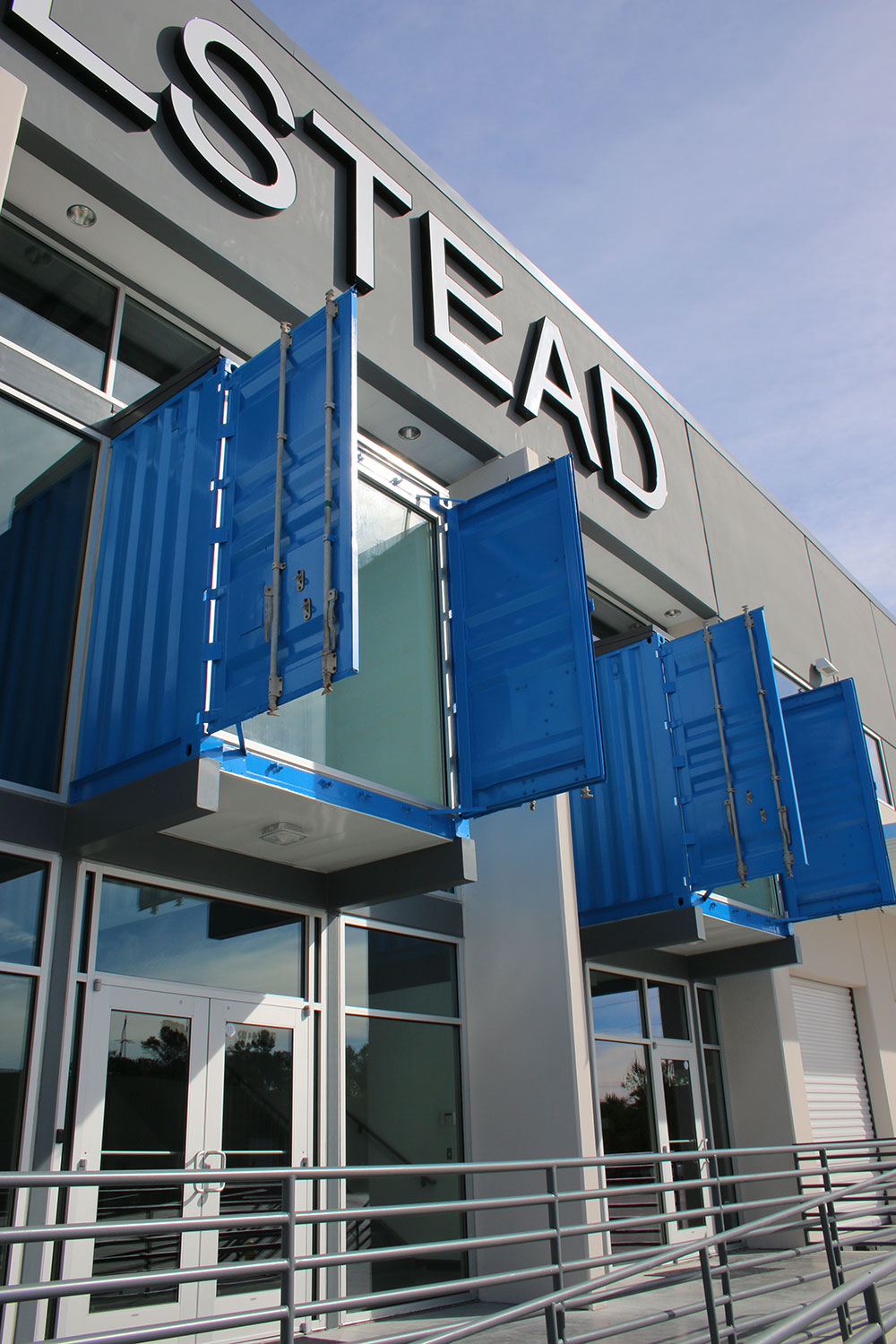
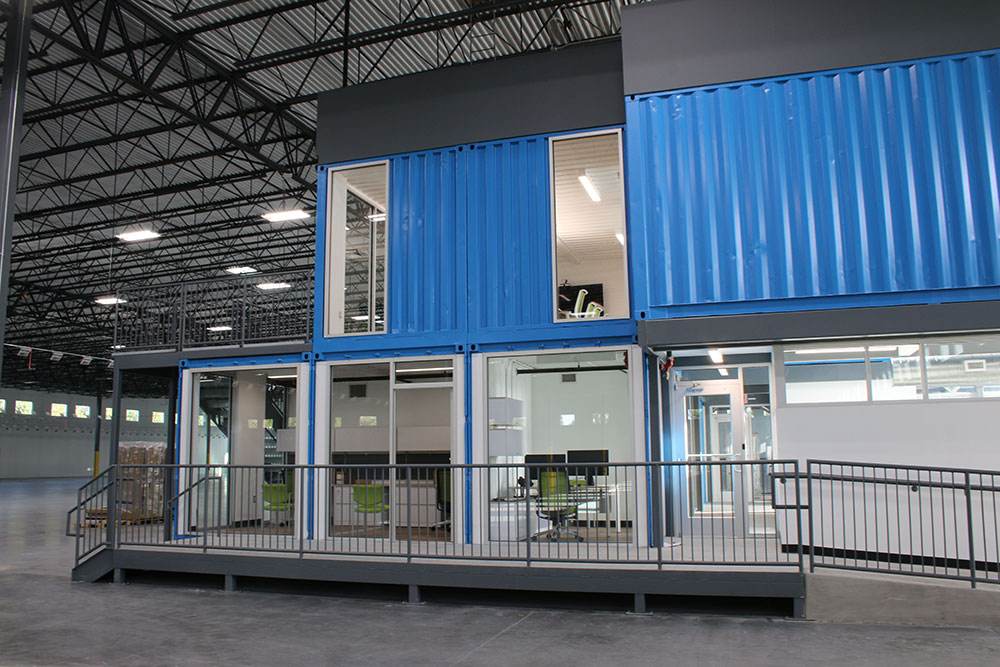
LDDBlueline™ provided full architectural and interior design services as well as Green Globes coordination for this project that includes the use of 8 recycled and re-purposed shipping containers as part of the office area of the building. Three of the shipping containers project through the front facade of the building as office space and light wells, bringing natural light to the interior spaces, and solar panels were installed on the roof. A collaborative design charrette with talented students from the Savannah College of Art and Design (SCAD) includes cube design elements made from the Owner’s recycled flooring product and a front reception area made from recycled shipping pallets. This project achieved two (2) Green Globes Certifications.
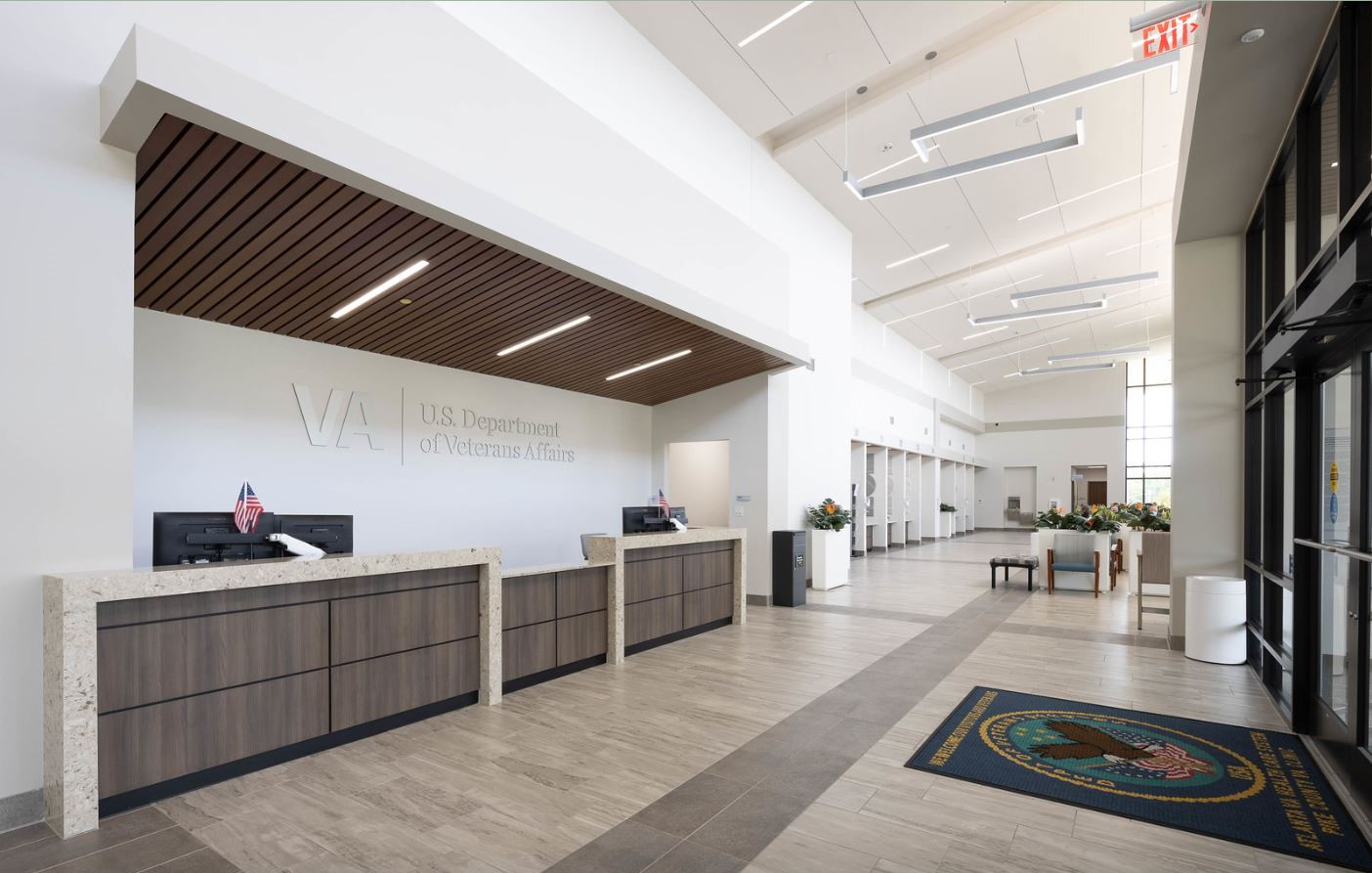
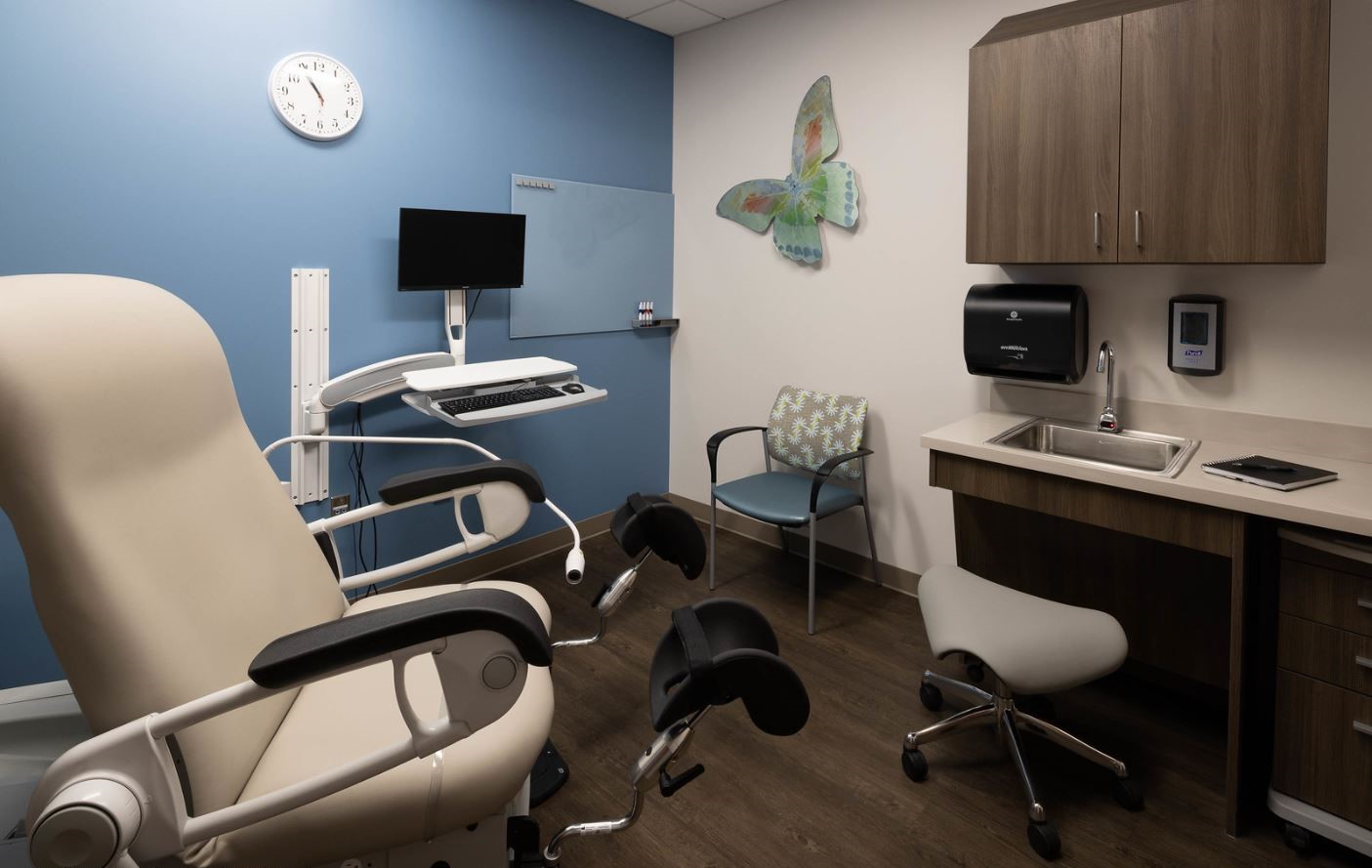
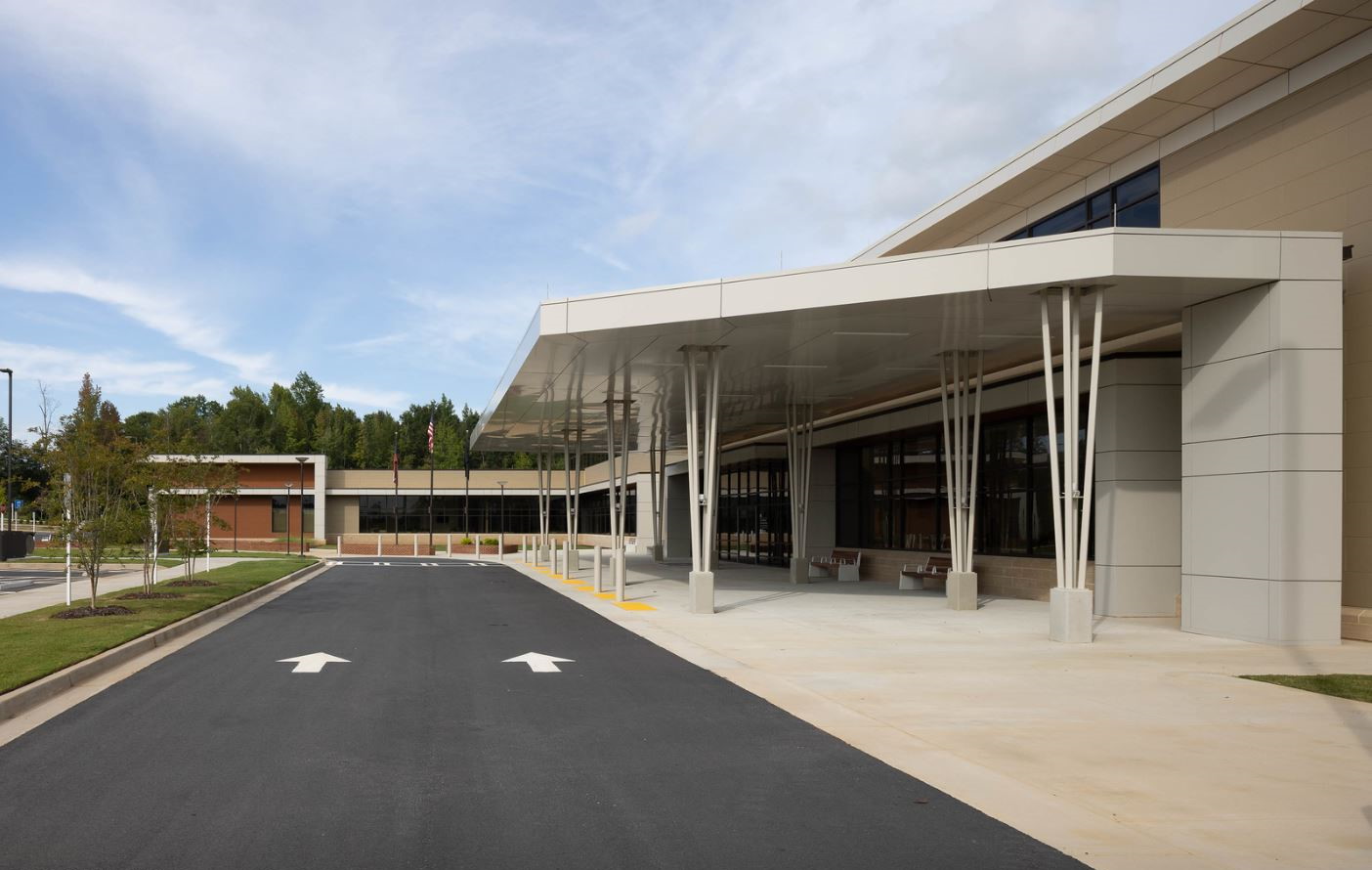
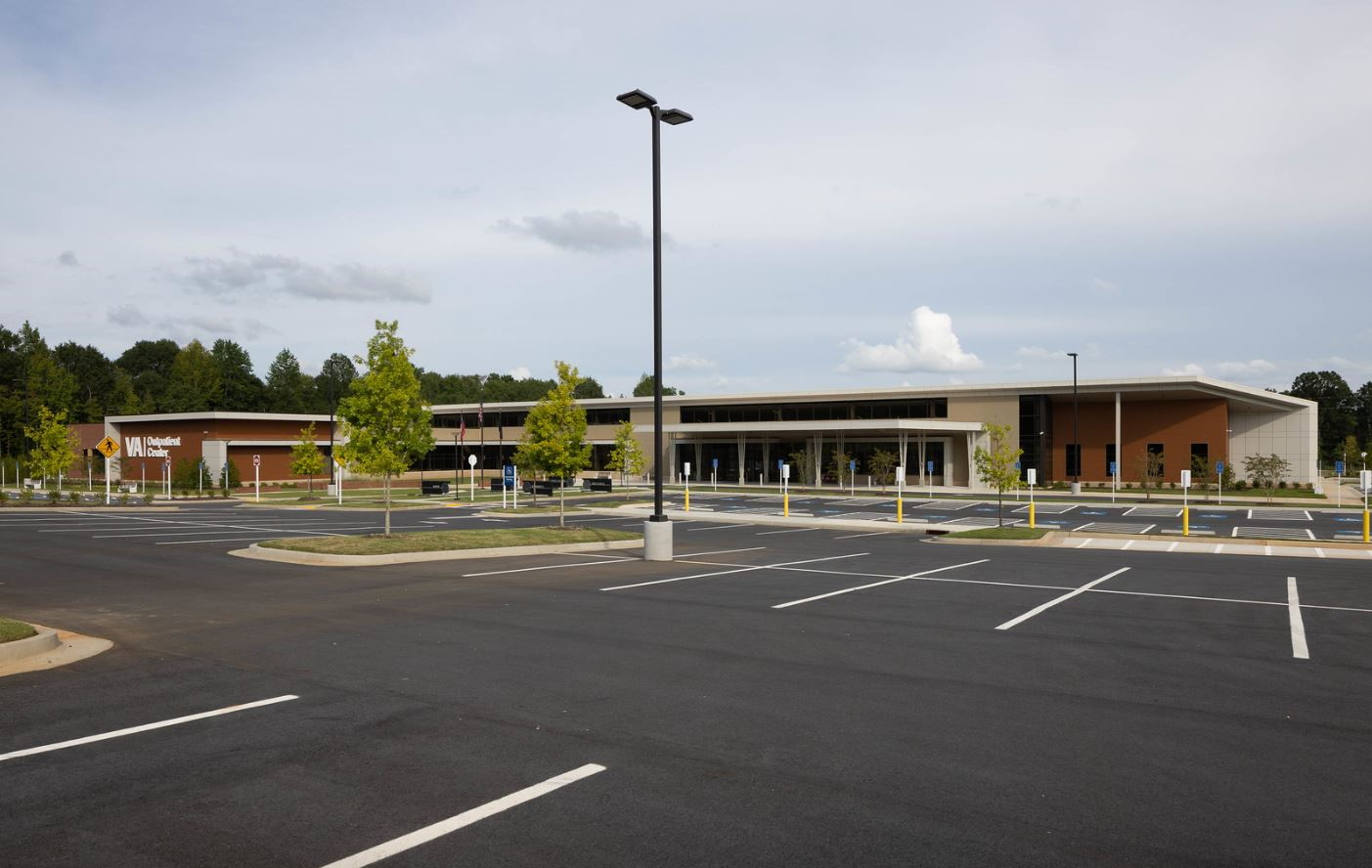
LDDBlueline™ was selected to provide architectural and interior design services for a state-of-the-art healthcare facility for veterans. The facility spaces include exam rooms, offices, a conference room, radiology, physical therapy, mental health, and specialty care. Interiors are designed to create a supportive, patient-friendly environment that promotes healing.
Coordination with national Veterans Administration standards while providing a unique and cost-effective design was the focus of the project. Site parameters had to be closely coordinated for visibility and distance to entrances in order to minimize walking for staff and patients.
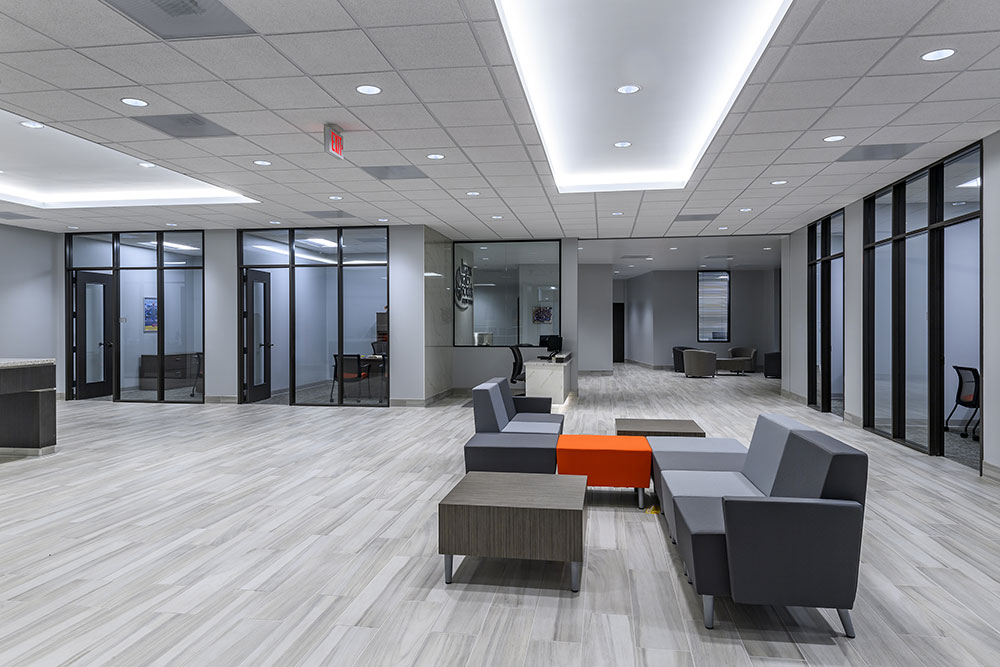
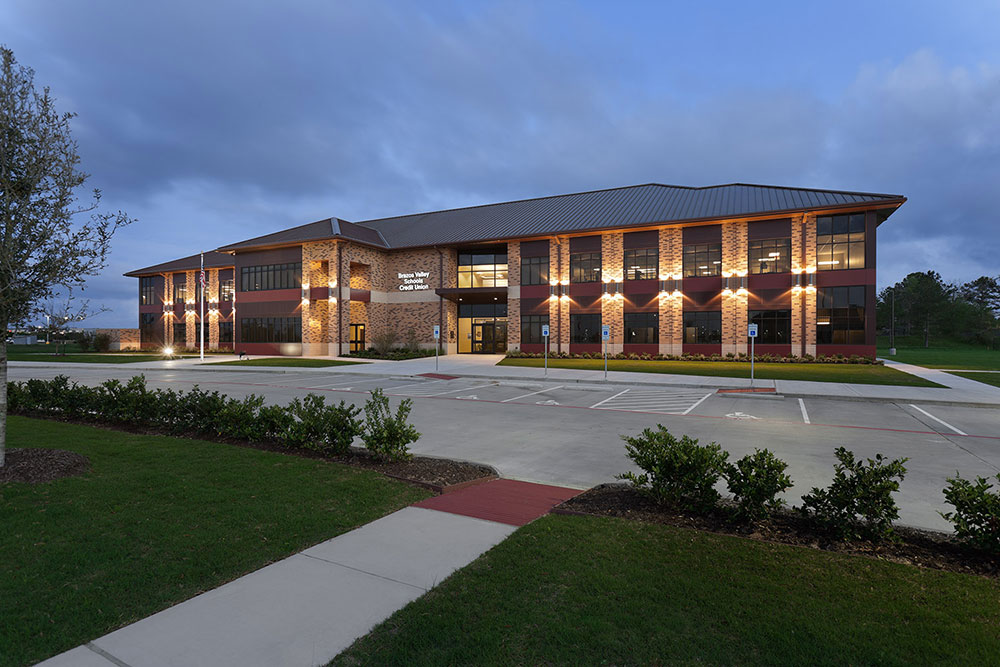
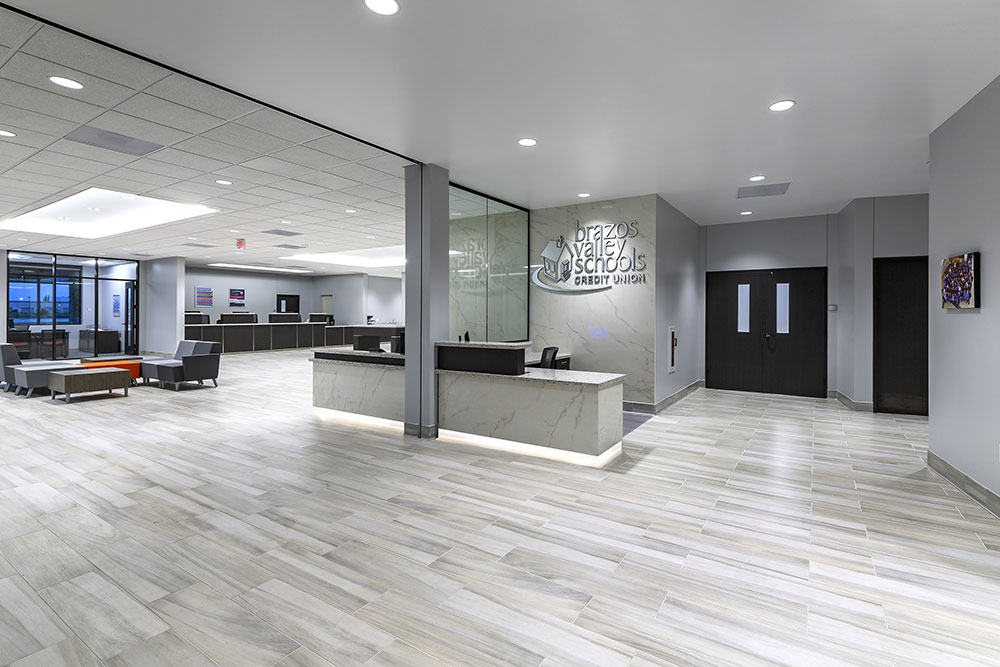
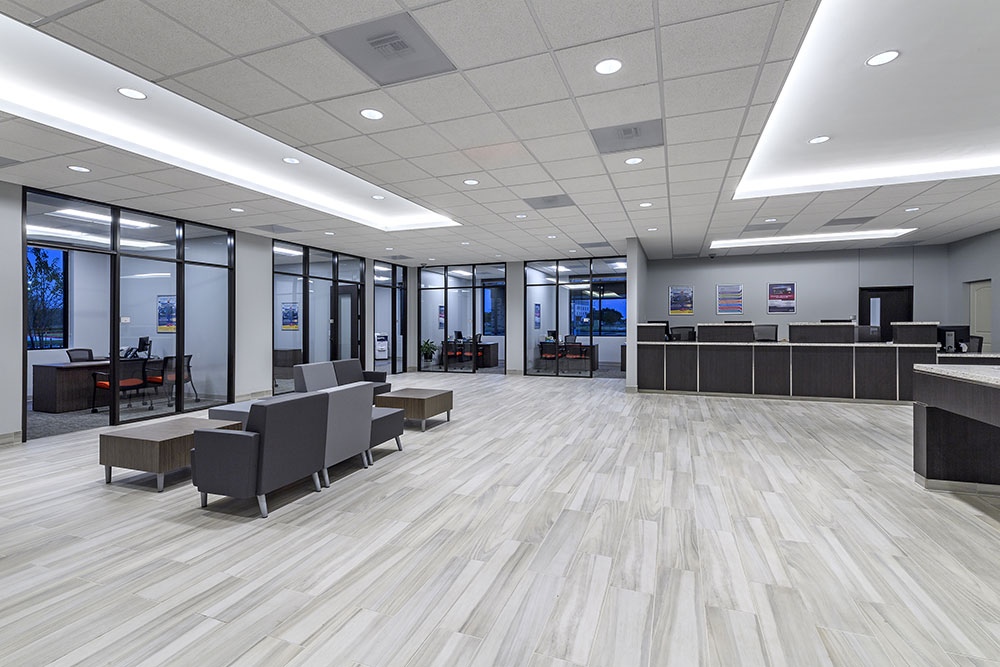
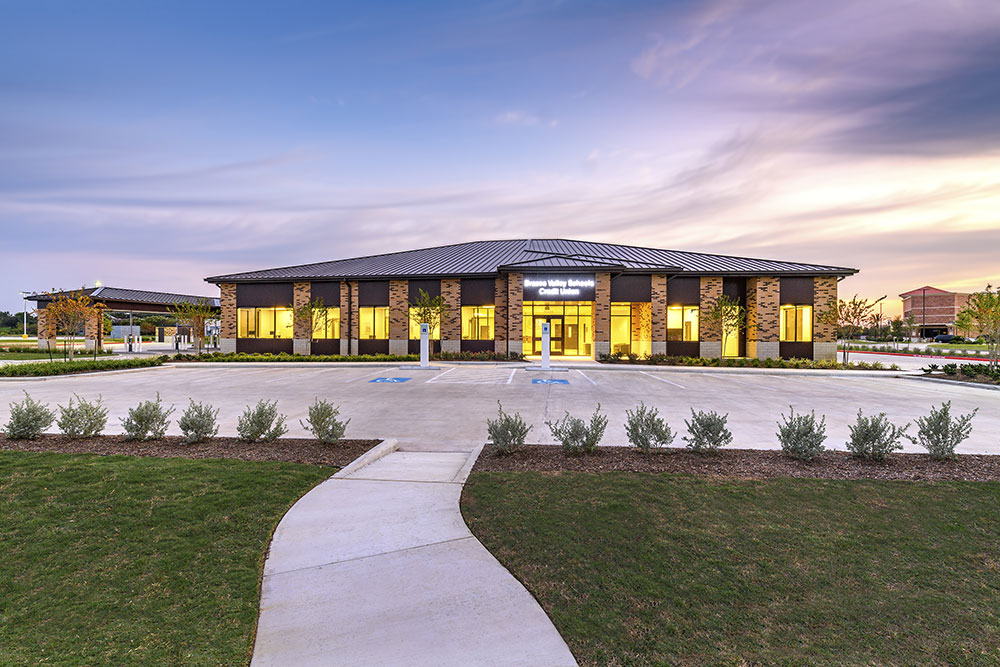
The owner’s new facilities were to be kept in accordance with the origin of this credit union in service of teachers. As a result, economical building systems were selected, from the use of pre-engineered metal building systems for the structure and roof to exterior materials which were drawn from nearby school buildings. Upgraded finish materials were used, however, in the interior public lobby spaces, uniting form and function in a cost-effective yet attractive new home for the organization.
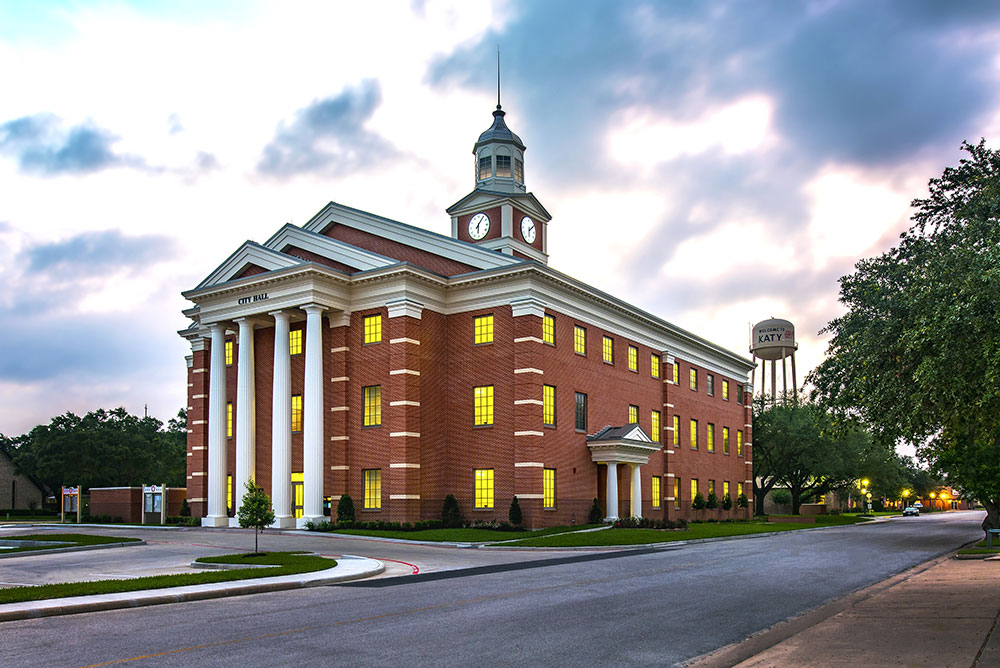
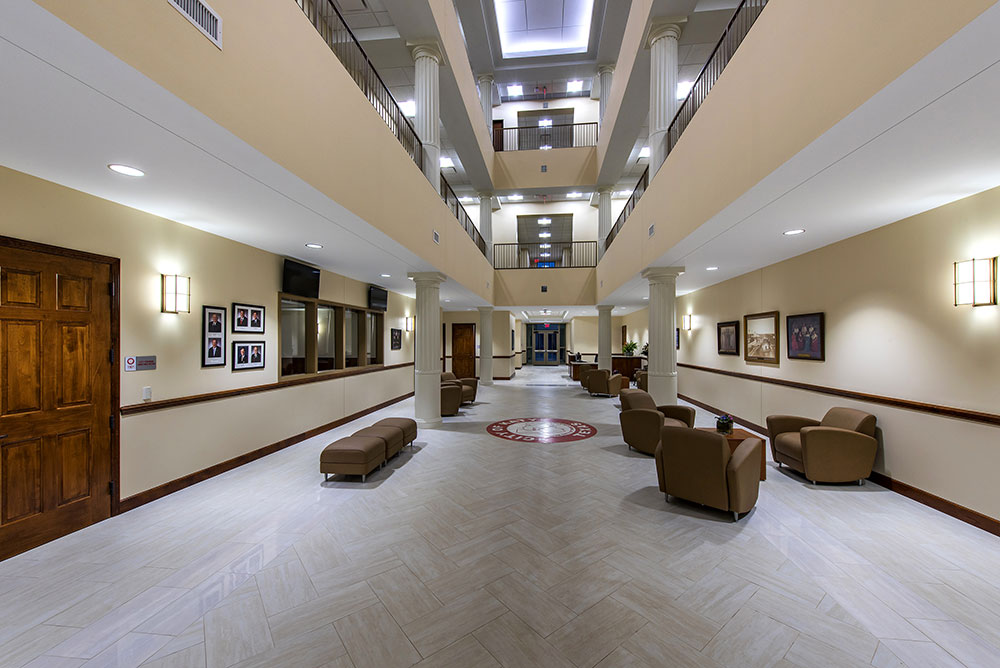
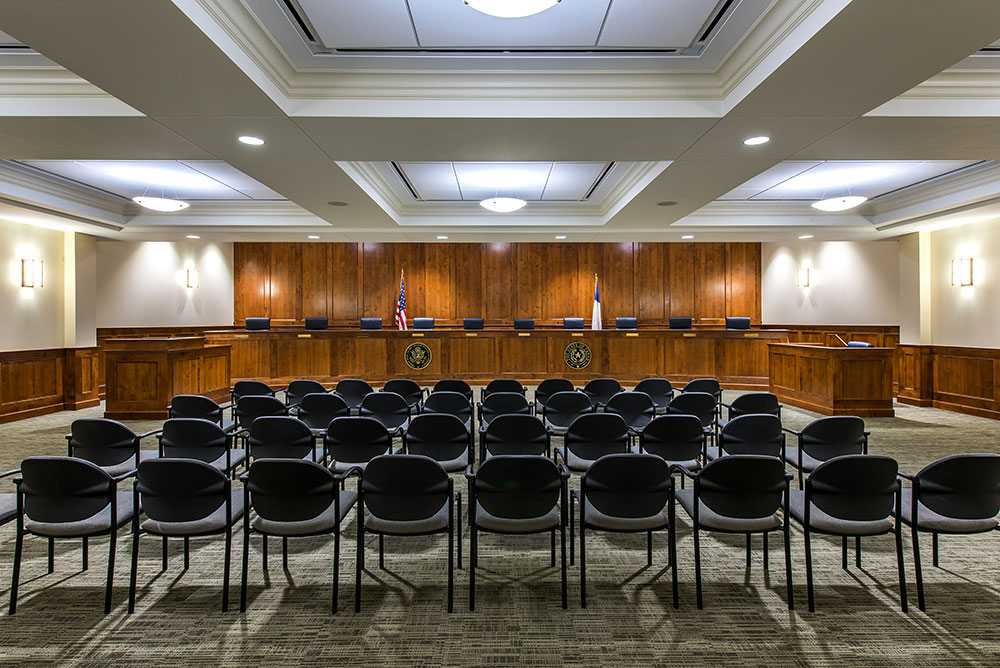
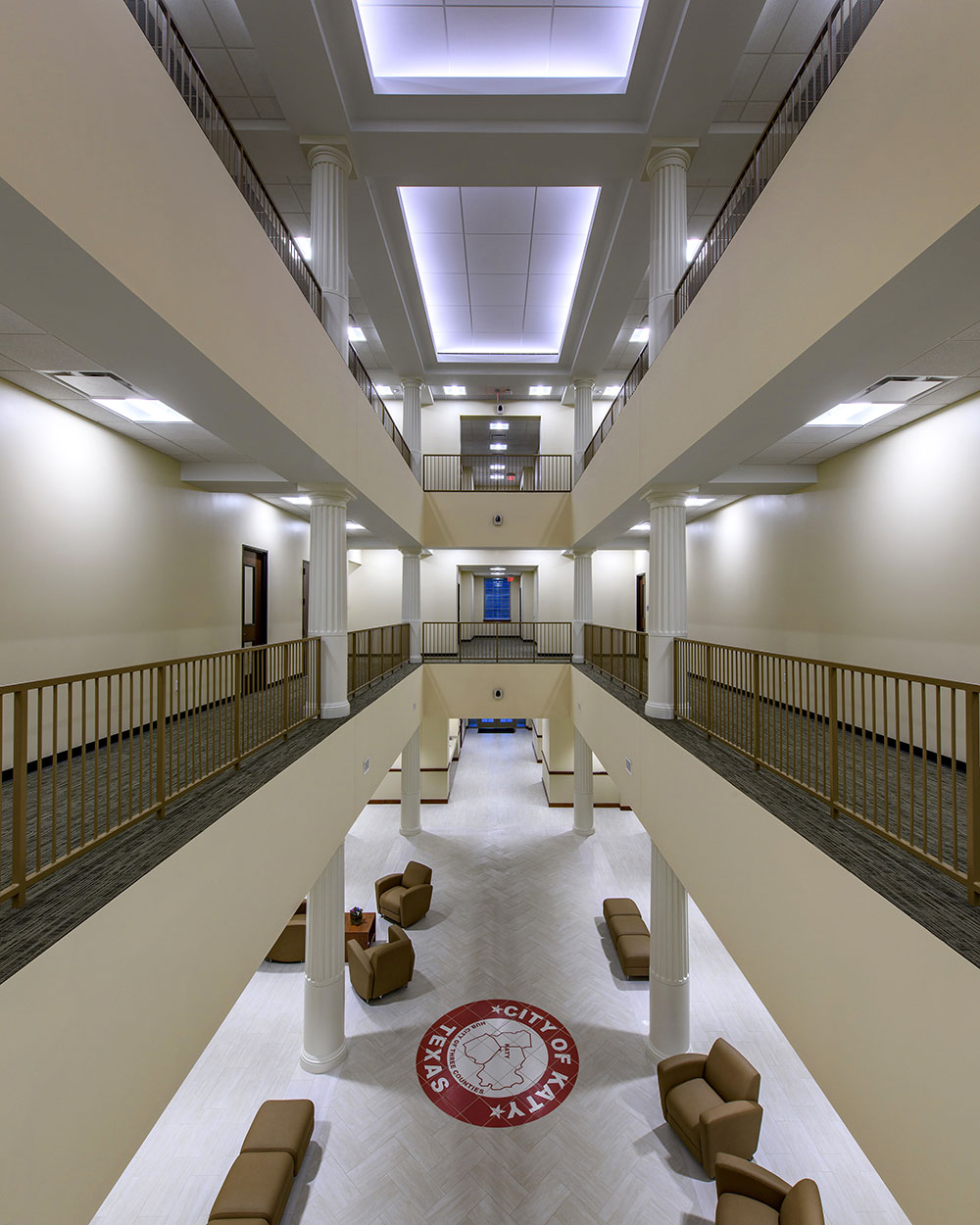
LDDBlueline™ was commissioned by the City of Katy, Texas to oversee design and construction of their new City Hall Project. The new building replaces the former city administration complex, which consisted of four different buildings and housed city staff and city council meetings. The three-story high structure is designed to hark back to the early years in Katy history when settlers traveled from Galveston to homesteads on the Katy Prairie.
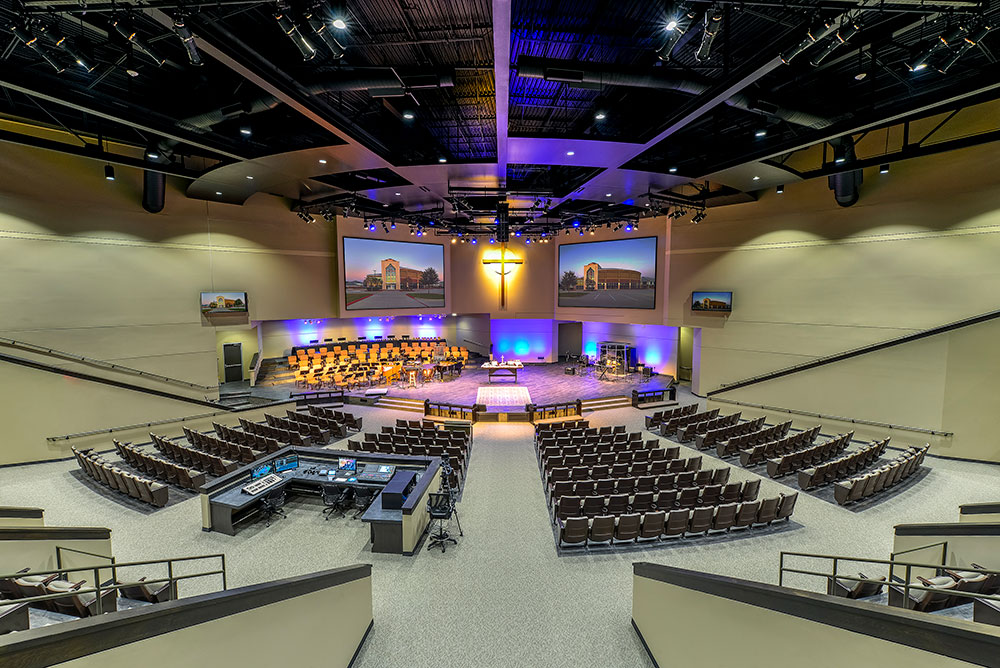
LDDBlueline™ has completed a multi-phase master plan and three projects for this valued client, including a family life center, a youth ministry and education center, and most recently a 1,200-seat worship center. The auditorium-style sanctuary is a theater-type space featuring terraced seating, an expansive stage including space for choir and praise team, superior acoustical performance, and state-of-the-art sound and audio-visual systems. A sweeping glass enclosed lobby and hospitality center provides a bright welcome to the church campus for congregant and visitor alike. A large bronze cross and entrance tower give this congregation a prominent presence from the nearby freeway.
The job market for architects is as good as it has ever been in the past 30+ years. Since founding Blueline in 2004, we’ve had the privilege of talking to many high school students exploring the profession. Here’s how to start the journey to joining one of the best professions.
Why Architecture?
Architecture spans a wide range of interests and expertise. There is the creative rush of putting a pen to a blank piece of paper. For problem and puzzle solvers there is the intricate interweaving of materials and systems. We meet people stymied by the complexity and risk of a building project, guide them through the myriad of decisions and choices, then witness their wonder as their building takes form.
Because architects see the big picture, foster collaboration, and think outside the box, we are uniquely equipped to tackle some of the world’s biggest problems. Whether it is climate change, affordable housing or new technology, architects lead in finding innovative solutions and opportunities.
Preparing for the Journey
Architecture requires a college degree. This can either be a graduate or undergraduate degree. But the preparation for studying architecture begins before you graduate from high school.
Most people assume that since there are significant technical components to architecture, it is logical to concentrate on math and science classes. Others, seeing the artistic nature of design, assume art classes would be helpful. There is value in having a solid foundation in both areas.
But much of architecture is listening to people, understanding their ambitions and anxieties, and gaining their confidence. Learning how to speak and write clearly is essential. Literature, history, and philosophy can help you understand the cultural context that shapes a person’s tastes and decisions.
Travel is crucial. A person’s creative capacity is proportional to the number of places they’ve been and experiences they’ve had. And knowing another language makes travel even more impactful.
We’re big advocates for construction experience. Even if your summer job was simply using a shovel or a broom, being around construction sites help you understand the priorities and needs of the men and women who make our drawings real.
The more well-rounded your knowledge and experience, the more you’ll get from your college education and the more options you’ll have as you enter the workforce.
The Arc of a Career
Graduating from architecture school is only the beginning. Much of what you’ll need to know, you’ll learn on the job during the first several years of your career. Look for a firm committed to mentoring and equipping you to take your architectural registration exam (ARE). In your first three to five years, work for two or three different firms. Try big firms and small firms. Try firms that do different types of work. If the firm keeps you in front of the computer, go to job sites on your lunch break or weekends. Continue to read, travel and be curious.
Some of you may be content designing and creating construction documents. Others will be happiest working with contractors and being on the jobsite. Some of you will shine when you are in front of clients. You can manage, sell, or teach. The permutations are endless.
Blueline provides job shadowing for ambitious high school juniors and seniors. Our team comes from all over the world and would be happy to talk to you about starting this journey. Visit our website www.blueline.team. We’re happy to connect you with the right staff person to answer your questions and help prepare you for this rewarding profession.